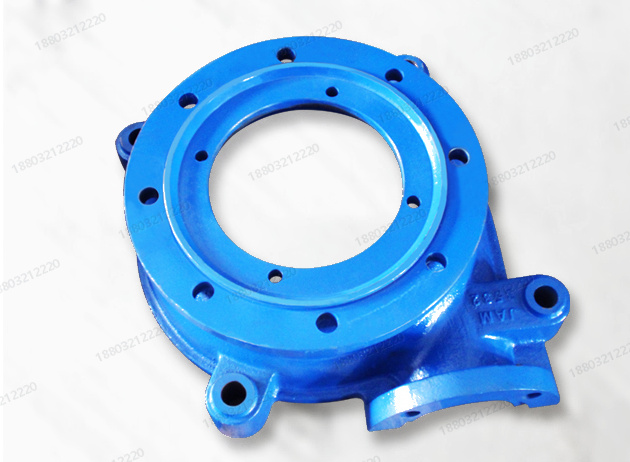
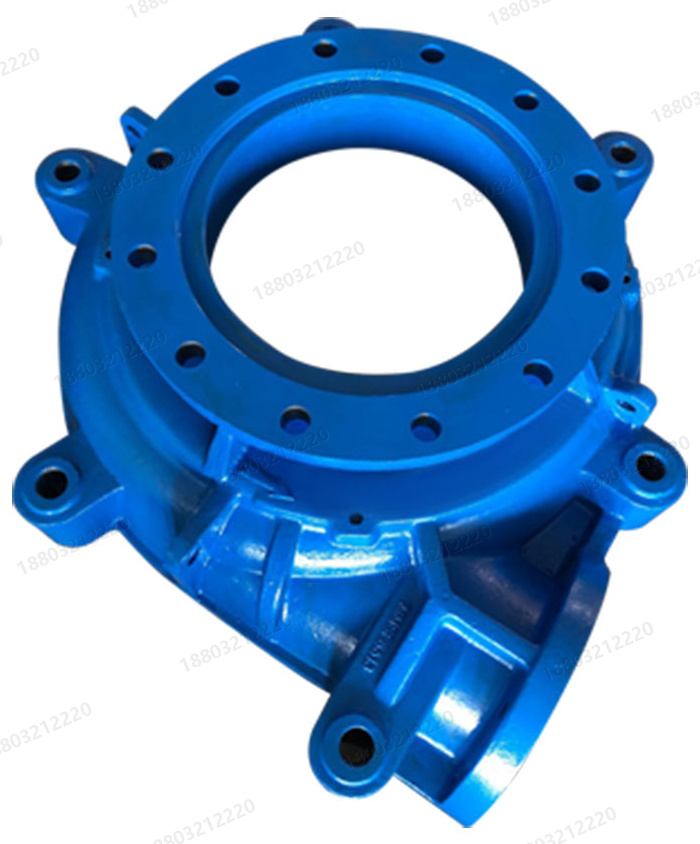
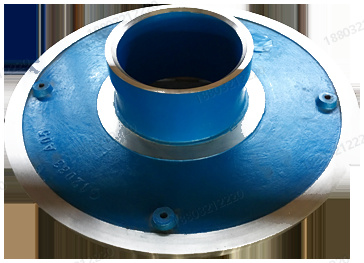
Sand production and dredging handle large, irregular particles: river sand, gravel and dredged spoil often contain lumps beyond the passage of a standard slurry pump. These duties need a gravel pump or a wide-passage slurry pump.
Duty characteristics, wear patterns, selection notes and common questions for this industry, with the matching series and wear parts.
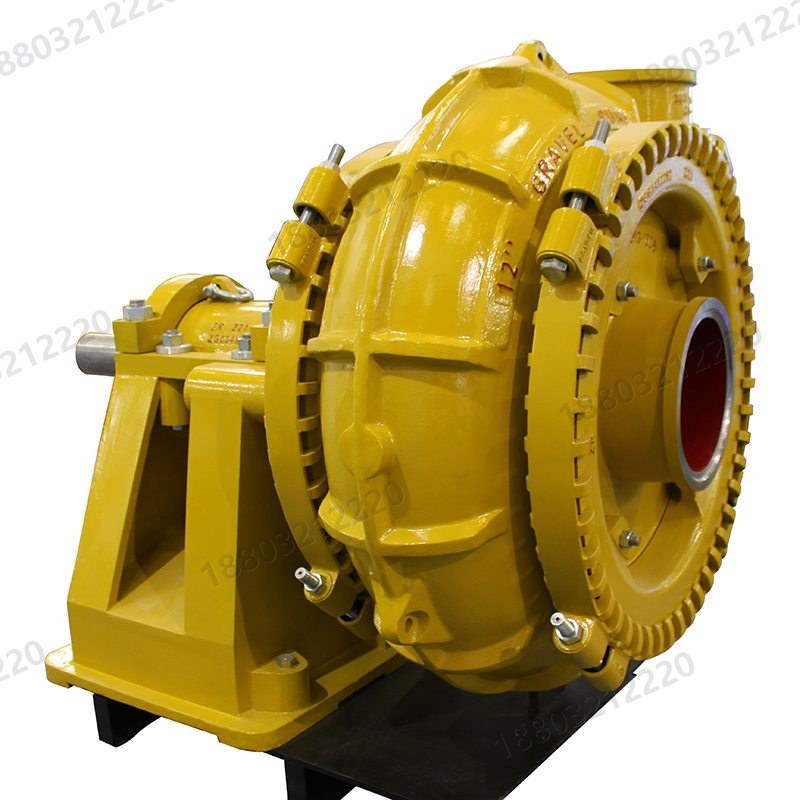
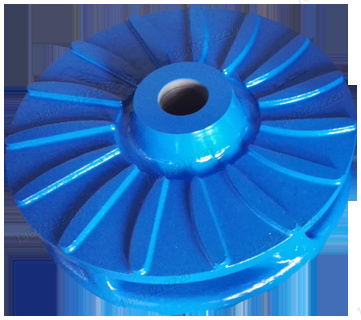
Common combinations; the final choice follows a duty calculation.
| Duty condition | Selection and material |
|---|---|
| Gravel and coarse sand | G series gravel pump with wide-passage impeller |
| Dredged spoil | High flow low head unit matched to the suction pipe and cutter |
| Debris in the slurry | Fit a screen at the inlet to protect the impeller |
| Mobile installation | Check unit weight, base frame and drive (diesel or electric) |
Model pages list construction, code explanation and chart extracts; part pages list basic number and material.
A gravel pump has a wider passage and fewer vanes, so it passes larger solids at some cost in efficiency. A standard slurry pump has narrower passages for fine particles and higher head.
Long suction lines, changing dredging depth and entrained air reduce inlet pressure. Check the available NPSH and the suction layout.
For short periods, yes. Continuous coarse sand accelerates wear and blocks the impeller, so a gravel pump is the better match.
Medium, concentration, particle size, flow and head are enough to propose a pump, a material and a spare-parts list. For a replacement, a nameplate photo confirms the part numbers.
We reply within one business day. You can also call +86 188 0321 2220.
Please provide the pump model, nameplate data and duty parameters by phone or email. Performance charts and manuals can be read online.