FROM THE MANUALNotes from the product manuals
Compiled from the AH / L / G, SP, ZJ and ZGB pump manuals, with links to the full texts.
01 · Overview and scope
Horizontal slurry pumps are overhung centrifugal pumps for abrasive or corrosive slurry, widely used in metallurgy, mining, petrochemical, coal, power, dredging, building materials and municipal works. Families cover heavy duty (AH, HH), light duty (L), gravel / dredging (D, G) and rubber-lined (AHR, LR, MR) builds. Pumps may be staged in series within the allowable working pressure.
02 · Construction
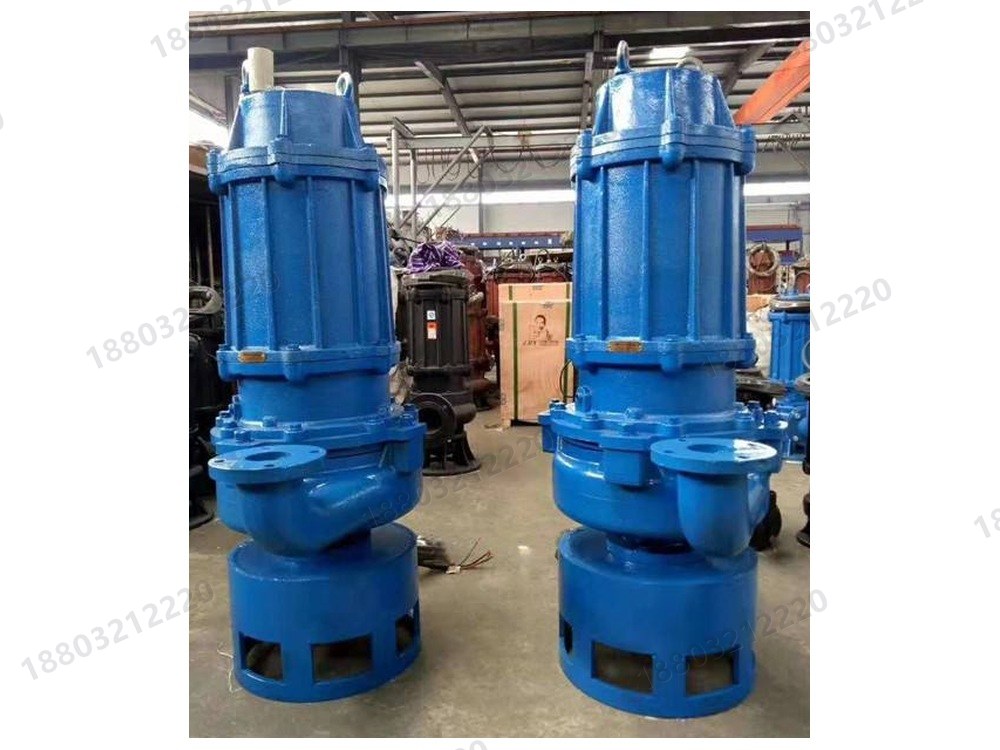
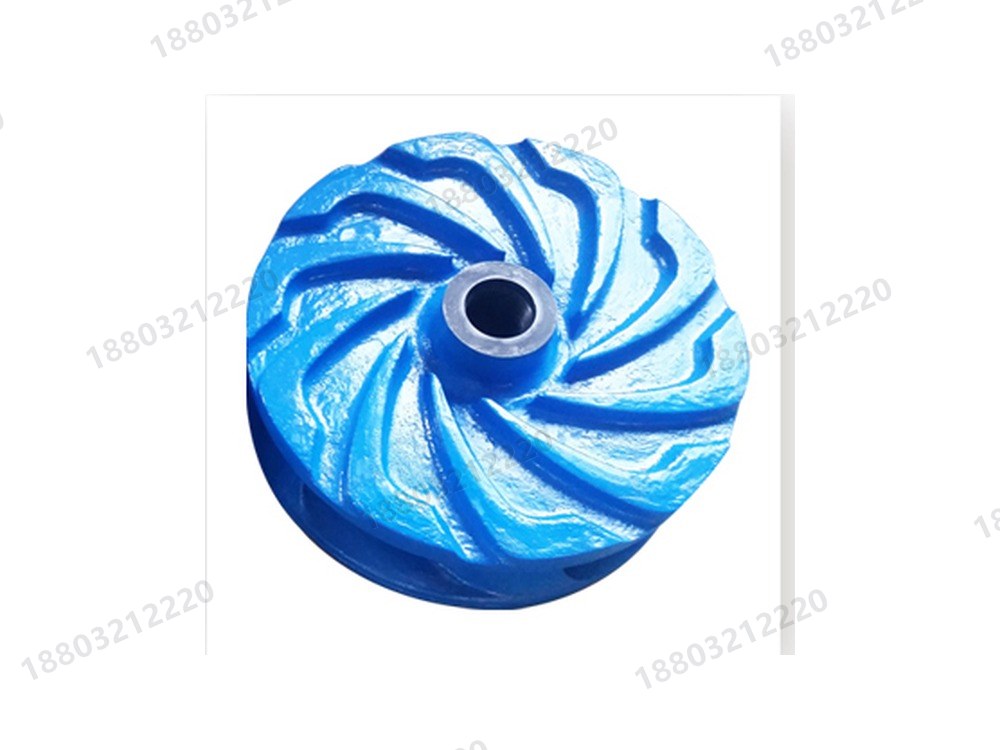
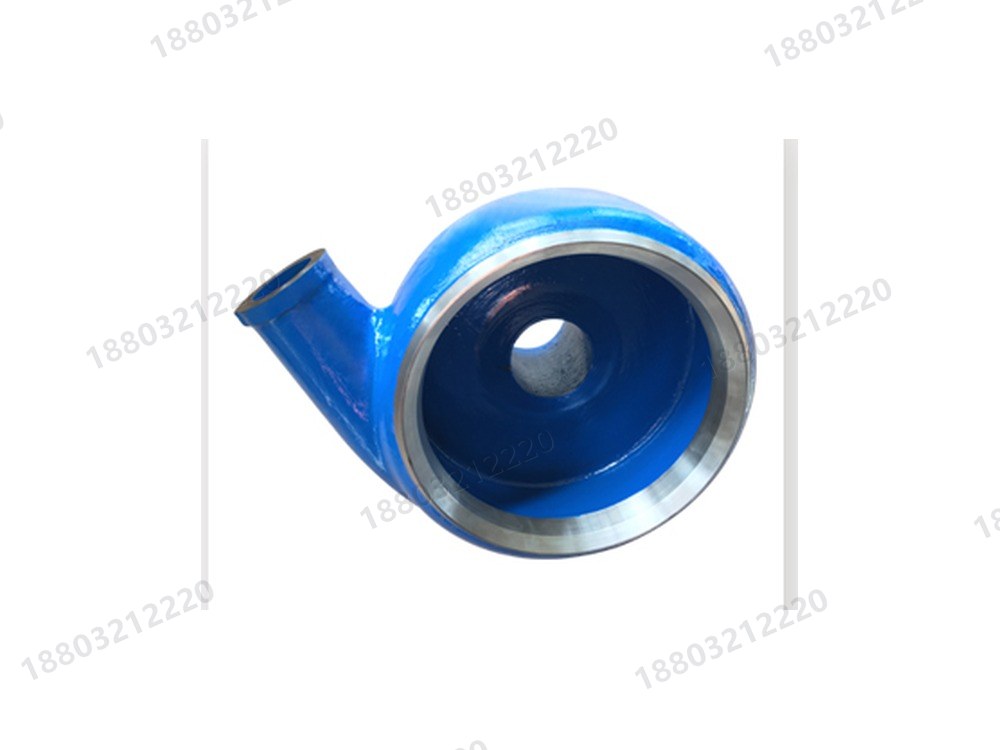
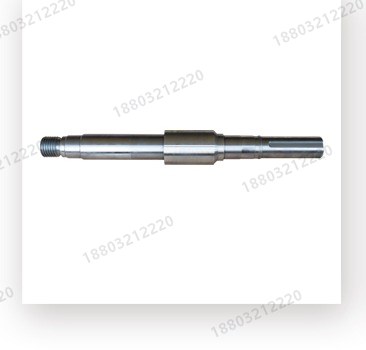
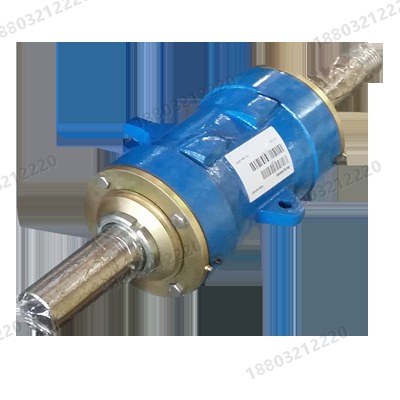
Heavy duty AH and HH pumps use a double casing: an outer pressure-retaining casing and cover in grey or ductile iron, vertically split and bolted, plus replaceable wear liners (impeller, volute liner, throat bush and frame plate liner) in metal or rubber. The discharge can be rotated in eight positions at 45 degree intervals. D and G gravel pumps use a single casing with all wetted parts in wear-resistant metal. Apart from the wet end, all horizontal types share the same frame and bearing assembly, with a large-diameter shaft and short overhang.
03 · Assembly and installation
Preheat bearing inner rings to no more than 120 C during assembly and seat them firmly against the shaft shoulder or grease retainer. Inner rings, outer rings and spacers of double-row tapered roller bearings form a matched set and must not be interchanged. Wet-end assembly order: seals, frame plate liner with its locating nuts, impeller, volute liner clamped in place, then throat bush and cover plate. Lift crated pumps by the marked sling points without shock or excessive tilt; lifting eyes on the casing are for dismantling the casing only, never for lifting the complete pump.
04 · Shaft seal and lubrication
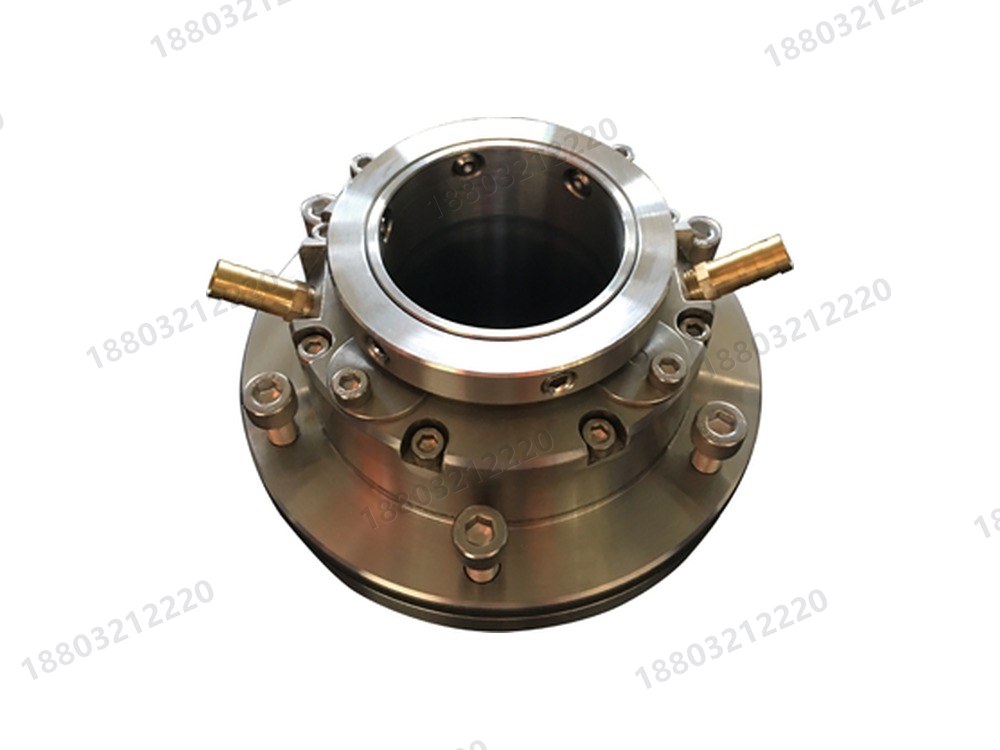
Three shaft seal arrangements are common: expeller, packed gland and mechanical seal. The expeller seal suits single-stage pumps (or the first stage of a series set) where inlet positive pressure is below 10 percent of discharge pressure; it needs no seal water and does not dilute the slurry. A packed gland is simple to service but requires seal water. A mechanical seal gives the best sealing and requires cooling water. A packed gland comprises the stuffing box, shaft sleeve, spacer, O-rings, packing, packing spacer, lantern ring and gland. Bearings are grease or oil lubricated, with oil lubrication preferred for high temperature or large pumps.
05 · Start-up and operation
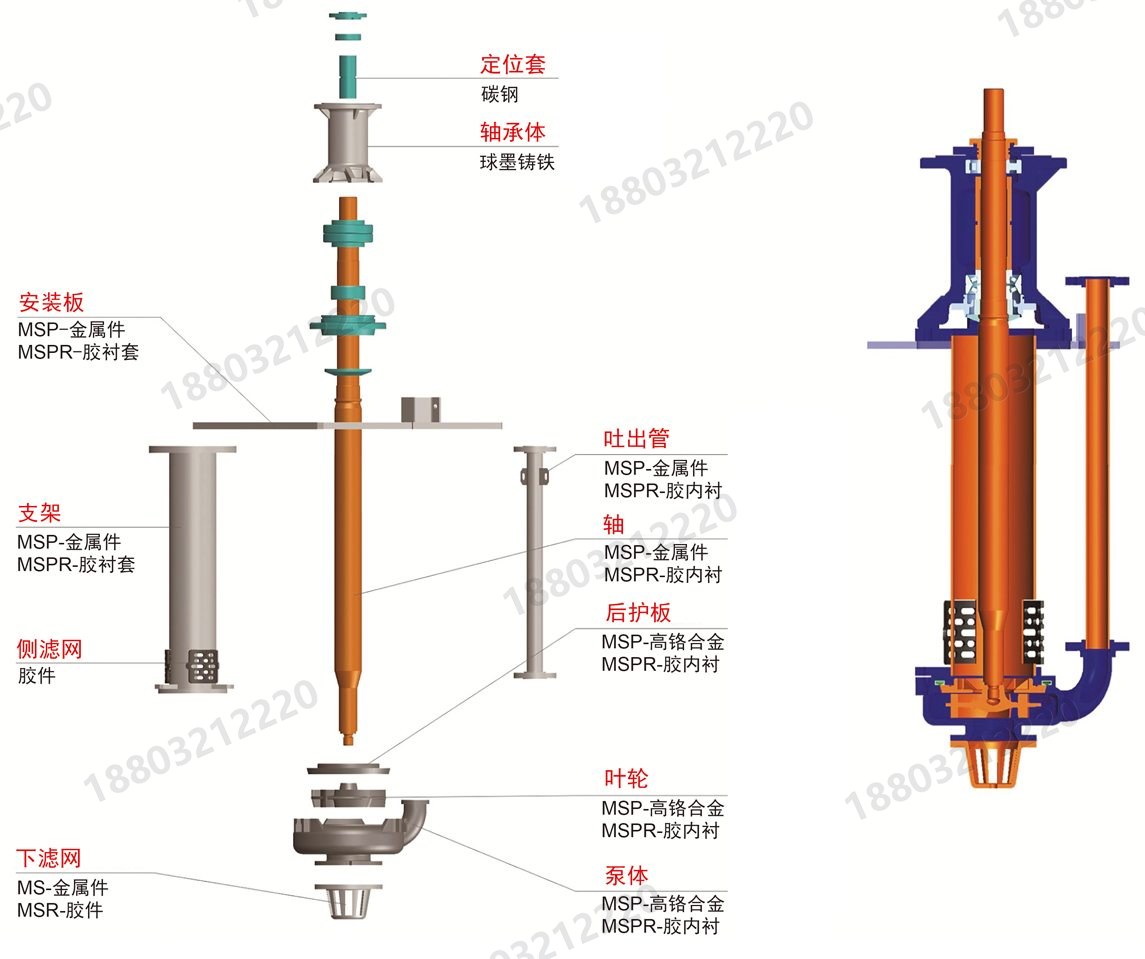
Before start-up check that foundation and coupling bolts are tight, turn the shaft by hand in the direction of rotation without rubbing, verify motor rotation against the arrow on the casing, and align the V-belts square to the pulleys. Starting on clean water is preferable before slurry is introduced. During operation watch the instruments for flow, velocity and current and correct any abnormality. Where possible flush with clean water before stopping, then stop the pump before closing the valve. For vertical sump pumps, turn on the guide bearing flush water five minutes before starting and close it five minutes after stopping.
06 · Maintenance and faults
Check impeller-to-throatbush clearance, bearing temperature and lubrication, seal water pressure and flow, and wear of wetted parts on a regular basis. A worn impeller reduces flow and head and raises vibration and noise, so adjust the clearance or replace the wear parts. Typical faults are insufficient flow or head, bearing overheating, vibration, seal leakage and cavitation, usually caused by blockages, wrong rotation, low speed, air ingress on the suction side, inadequate NPSH or loss of dynamic balance. Record basic part numbers and material suffixes and verify them against the pump model and supplied documents.