The DT series is designed around limestone-gypsum wet FGD slurry: high flow, low head, pH 4-7, elevated chloride and typically no more than 65 C. Charts on file run from 40DT-B20 to 800DT-A96, a wide spread of bore and flow within one series.
Construction, model range, wetted materials and duty limits for this series. Figures come from the charts and manuals on file; values not published are marked "per supplied documents".
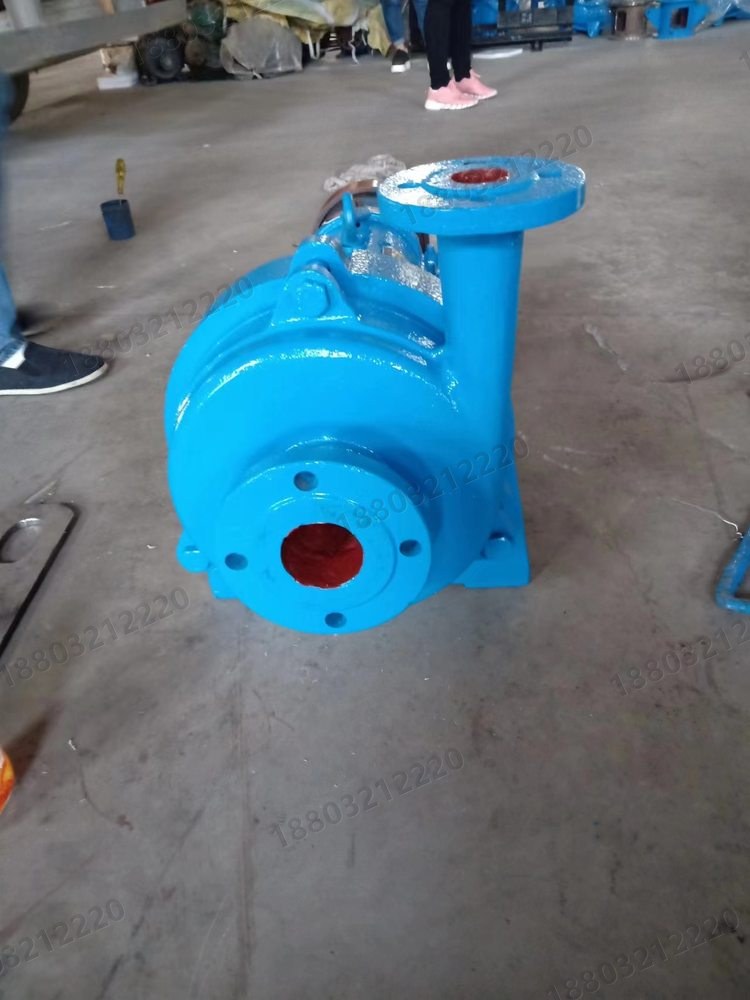
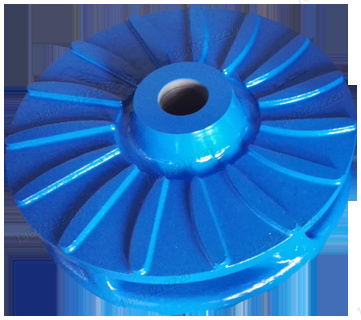
Horizontal, single-stage single-suction FGD circulation pump. The DT series serves limestone-gypsum slurry circulation in wet flue gas desulphurisation. The medium is usually mildly acidic and carries crystalline solids, so both abrasion and corrosion are considered; wetted materials follow pH, chloride content and temperature.
For example 100DT-B45: 100 relates to the discharge bore (mm), DT is the FGD circulation series, B a frame/build code and the trailing figures a size designation. Codes vary slightly between manufacturers.
Published coverage spans several bore and flow classes; exact figures are confirmed against the duty and written documents.
| Model | Max. power kW | Q m³/h | H m | n r/min | Max. eff. % |
|---|---|---|---|---|---|
| 800DT-A96 | 595 | 5915 7250 9230 10800 | 632.6 653.7 815.2 926.8 | 79.7 88.2 88.8 84.1 | 10.1 |
| 800DT-A96 | 496 | 4931 6044 7694 9003 | 367.3 378.8 471.9 536.4 | 79.7 88.2 88.8 84.1 | 7.7 |
| 800DT-A90 | 595 | 6104 8527 9170 10690 | 601.7 641.5 640.6 628.8 | 76.8 87.6 88.1 80.1 | 5.6 |
| 800DT-A90 | 496 | 5088 7108 7644 8911 | 348.2 371.2 371.0 363.6 | 76.8 87.6 88.1 80.1 | 4.3 |
| 700DT-A85 | 595 | 5152 6624 7360 8317 | 359.5 485.7 569.2 536.5 | 79.2 86.5 88.0 80.6 | 6.5 |
| 700DT-A85 | 496 | 4295 5522 6135 6933 | 208.2 281.5 330.2 311.4 | 79.2 86.5 88.0 80.6 | 5.0 |
| 700DT-A83 | 596 | 3989 5016 5916 6953 | 414.6 441.5 454.8 450.7 | 79.4 85.4 87.5 81.5 | 7.9 |
| 700DT-A83 | 496 | 3319 4175 4923 5786 | 239.1 254.3 262.0 259.1 | 79.4 85.4 87.5 81.5 | 6.0 |
| 700DT-A80 | 594 | 3760 4757 5293 5974 | 328.6 348.7 355.4 355.1 | 82.9 86.2 88.0 84.3 | 7.0 |
The industry pages behind these duties set out recommended series, wear parts and field checks.
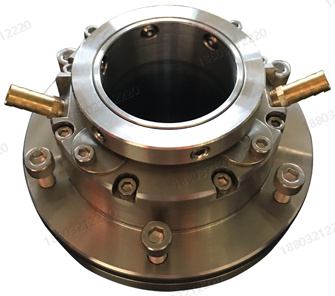
Material follows the medium; sealing follows suction pressure and whether dilution is allowed.
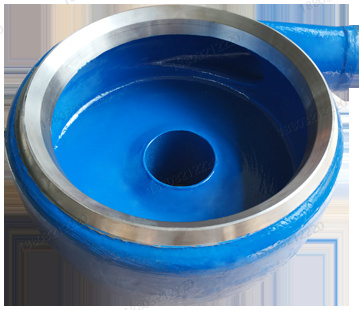
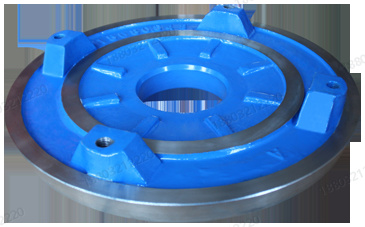
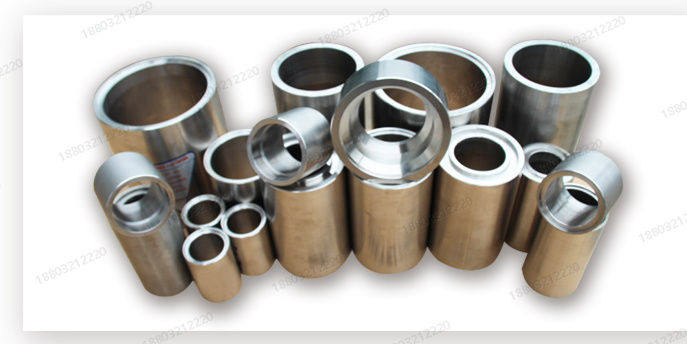
Each part page lists the basic number, material options and applicable models. One basic number maps to different part numbers across frames, so check against the nameplate.

Mainly high-chrome wear alloy (A05 / Cr26 / Cr27); rubber or p…

High-chrome wear alloy, wear-resistant rubber or polyurethane:…

High-chrome wear alloy, rubber lining or wear/corrosion-resist…

Wear-resistant alloy, stainless or 3Cr13-type martensitic stee…

Faces are commonly silicon carbide or tungsten carbide; metal …
Excerpts that apply to this series; read the full text on the online reading page.
Hydraulics favour high flow at low head, materials favour corrosion resistance, and seal and flush connections follow FGD start-stop practice. A standard slurry pump in an FGD loop typically fails by corrosion perforation, not wear-through.
It depends on temperature and chloride. Rubber works at low to moderate temperature with mild corrosion, but not at high temperature or with strong oxidisers; confirm against the assay.
Per the FGD design, typically in the 15-20% solids range, but actual plant data rules. Give both design value and variation band when requesting a selection.
Send the medium, particle size and solids content, flow, head, pH and temperature, plus installation conditions (pit depth or line length). For parts, add the pump model or a photo of the worn part.
We reply within one business day. You can also call +86 188 0321 2220.
Please provide the pump model, nameplate data and duty parameters by phone or email. Performance charts and manuals can be read online.